Why Choosing the Right General Contractor Is Essential for Your Project
Choosing the right general contractor is a pivotal decision that can greatly influence a project's outcome. A suitable contractor ensures effective management and compliance to financial limits. Their capacity to navigate obstacles and maintain clear communication is essential. However, many project stakeholders overlook important factors in this hiring procedure. Comprehending these components can lead to better outcomes and greater satisfaction. What should one evaluate when determining this significant decision?
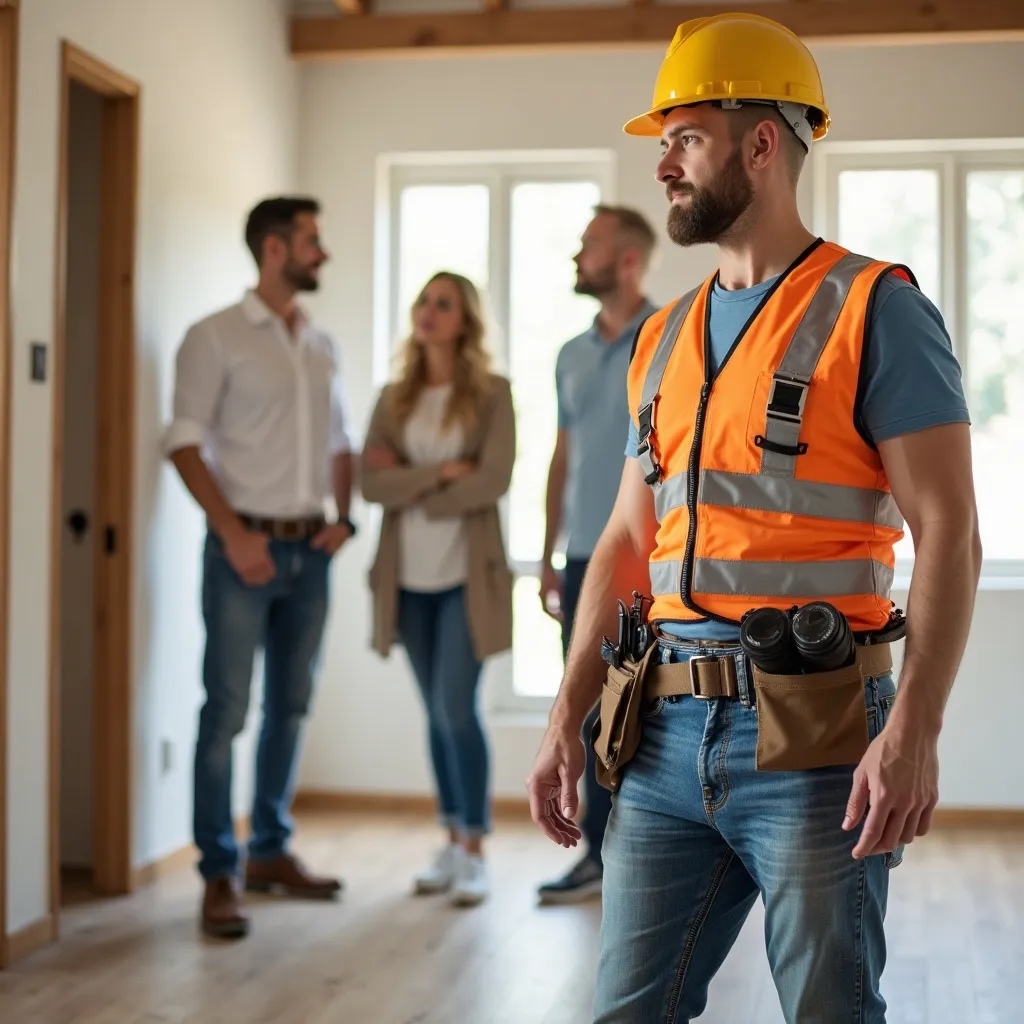
Common Obstacles in Choosing a General Project Manager
When choosing a construction contractor, potential clients often face numerous typical challenges that can complicate the decision-making process. One major obstacle is the overwhelming number of options available, which can lead to uncertainty and hesitation. Clients may find it hard to distinguish among contractors based on qualifications, experience, and pricing, rendering it challenging to identify who will best meet their project needs.
One concern is the lack of transparency in contractor estimates, where undisclosed charges may appear later, changing the project spending. Moreover, clients may encounter difficulties involving dialogue; some contractors may neglect to maintain client awareness during the process, producing frustration. Lastly, clients often deal with verifying a contractor's track record and past work, which can create ambiguity regarding the standard of service expected. These challenges necessitate careful consideration and due diligence to assure the right choice is determined.
Essential Nature of a Credible General Contractor
A dependable general contractor plays a crucial role in ensuring project management efficiency and maintaining quality standards. Their skill helps improve processes, minimizing delays and expenses. Additionally, a dependable contractor upholds excellence, resulting in superior craftsmanship and client satisfaction.
Enhance Task Organization Efficiency
Effective project management depends on the dependability of a general contractor. A dependable contractor ensures that timelines are met, resources are allocated efficiently, and communication flows smoothly among all stakeholders. Their ability to coordinate subcontractors, suppliers, and laborers directly impacts the advancement and ultimate success of the project. A reliable contractor foresees problems, acts quickly to resolve them, and stays focused on the objectives, minimizing delays and cost overruns. This effectiveness creates a cooperative atmosphere that enables modifications and enhancements when required. Ultimately, the general contractor's dependability improves both the functional parts of the project and the trust shared by clients and team members, guaranteeing that everyone remains aligned toward a successful outcome.
Quality Control Standards
Trustworthy construction professionals have a critical role in maintaining quality assurance standards throughout the project duration. They guarantee that the work follows established guidelines and industry standards, essential for the durability and safety of the structure. A competent contractor manages materials and workmanship closely, conducting routine inspections to spot and correct issues promptly. This proactive method lessens risks connected with poor construction, ultimately safeguarding the investment. Additionally, a reliable contractor encourages communication between all stakeholders, making sure expectations are transparent and met. Prioritizing quality assurance, a skilled general contractor not only enhances the final product but also develops client take action trust, forming the basis for successful project completion.
Evaluating a Service Provider's Experience and Reputation
When evaluating a general contractor, understanding their experience and reputation is crucial, as these elements significantly affect project outcomes. A contractor's expertise typically shows their ability to manage various project types, complexities, and challenges. Reviewing their collection of work provides insight into past projects, highlighting skill and meticulous attention to detail.
Additionally, credibility plays a vital role in creating trust. Prospective clients ought to review online reviews, client feedback, and references to evaluate satisfaction levels from previous clients. Interacting with past customers can show the contractor's reliability, communication skills, and adherence to timelines and budgets.
Furthermore, sector associations and accreditations can enhance a contractor's standing, indicating a resolve to superior standards and ethical practices. By thoroughly evaluating both experience and credibility, clients can select wisely, ultimately establishing the foundation for a victorious construction project.
Vital Attributes of a Honest Contractor
A dependable contractor consistently demonstrates integrity, transparency, and excellent communication skills. These vital qualities form the foundation of a prosperous professional partnership. Honesty ensures the contractor conforms to ethical practices, offering truthful assessments and realistic timelines. Openness involves fully disclosing project details, encompassing expenses and possible obstacles, building trust between the contractor and the customer.
Excellent interpersonal abilities enable the contractor to efficiently convey ideas, listen to client expectations, and resolve any concerns that arise during the project. Additionally, a trustworthy contractor exhibits adaptability, responding to changes and unexpected circumstances with composure and flexibility. Attention to detail is one more important trait; it demonstrates a commitment to quality and precision in every element of the work. Ultimately, these traits not only enhance project outcomes but also foster a positive experience for clients, making the selection of a dependable contractor all the more critical.
Important Questions for Finding Your General Contractor?
How can one guarantee they select the best general contractor for their project? By asking a series of targeted questions, potential clients can better assess candidates. Initially, asking about the contractor's experience with comparable work offers insight into their expertise. It's also vital to ask for references; speaking with previous clients can reveal the contractor's dependability and work quality.
Subsequently, evaluating licensing and insurance guarantees that the contractor complies with legal standards and shields the client from potential liabilities. Clients ought to also inquire into timelines and project management strategies to determine how the contractor will manage the project efficiently.
Budget discussions are essential; asking for a detailed estimate prevents unexpected costs later. Finally, understanding the contractor's communication preferences can establish the foundation for a successful partnership. By addressing these important inquiries, clients can choose wisely in choosing their general contractor.
Effective Exchange Between You and Your Contractor
Effective dialogue with a contractor is crucial for work success. Establishing explicit requirements and providing prompt information can avoid misunderstandings that often lead to costly delays. Additionally, promoting an transparent discussion cultivates confidence, ensuring a more efficient collaboration throughout the construction project.
Explicit Parameters Guarantee Positive Outcomes
Setting definite expectations is necessary for a strong partnership with a general contractor. Transparent communication paves the way for understanding the project's goals, deadlines, and budget limits. When both sides express their needs and concerns, it reduces the chance of misunderstandings that could hamper progress. A contractor who grasps the exact requirements can manage resources wisely and tackle potential problems proactively. Furthermore, having unambiguous expectations promotes accountability, making sure that the contractor fulfills promises and that the homeowner stays engaged in the process. Prioritizing open communication from the start allows clients to improve partnership and satisfaction, ultimately resulting in a more efficient project delivery. Clear expectations optimize processes but also cultivate trust between the homeowner and the contractor.
Quick Communications Stop Confusion
Defining distinct expectations provides the foundation for cooperative success, while ongoing communication is equally critical. Routine communication from a construction professional can avert confusion that develops in the course of a project. As builders frequently communicate progress reports, customers remain informed of timelines, budget changes, and anticipated roadblocks. This forward-thinking communication aids in harmonize each party's expectations and lowers the risk of conflicts in the future. Furthermore, when complications arise, prompt communication allows for faster resolutions, maintaining the work on schedule. By fostering a culture of open communication, contractors express their commitment to the undertaking's success, finally producing a better-organized workflow and superior client contentment. Therefore, timely communications function as a cornerstone for sustaining transparency and confidence within the construction endeavor.
Candid Interaction Generates Trust
During a project's progression, maintaining an open dialogue with the lead contractor becomes important for promoting trust and partnership. Effective communication guarantees that all stakeholders have a precise understanding of expectations, timeframes, and potential issues. When project managers and patrons participate in regular discussions, it allows for the spotting of troubles before they escalate, decreasing disruptions. This openness not only fosters belief but also strengthens the overall construction experience. In addition, an open line of communication encourages feedback, enabling the contractor to make adjustments that satisfy the client's desires. Finally, strong communication forms a foundation of reciprocal appreciation, which is necessary for the successful completion of any construction job. Confidence nurtured through conversation leads to better outcomes for everyone taking part.
Frequently Posed Questions
What steps should I follow to confirm if a Contractor has a current credential?
To determine if a contractor is authorized, one should inspect local governing bodies and internet sites, authenticate their license number, and confirm it's active. Additionally, reviewing online reviews can furnish knowledge about their credibility and reliability.
What Insurance Should My Builder Carry?
A contractor must have broad coverage protection, employee injury coverage, and, if applicable, professional liability insurance. These cover potential damages, on-the-job accidents, and mistakes in craftsmanship, ensuring monetary safeguards for both the contractor and the customer.
How Do I Confirm a Contractor's References?
To authenticate a contractor's endorsements, one should request a roster of previous clients, get in touch with them personally, and ask about their testimonials. Also, investigating online reviews and ratings can reveal valuable insights into the contractor's reliability.
What Might I Consider if Complications Happen During the Engagement?
If issues arise during the project, one should record the difficulties, communicate directly with the contractor, and seek a resolution. If needed, involving a third party or obtaining legal counsel may also be appropriate.
Do You Need to Identify Red Flags During the Employment Selection Process?
Red flags during the recruitment phase feature unclear pricing, lack of references, poor communication, partial licenses, and poor online reviews. These indicators suggest potential issues that might impact the project timeline and quality.